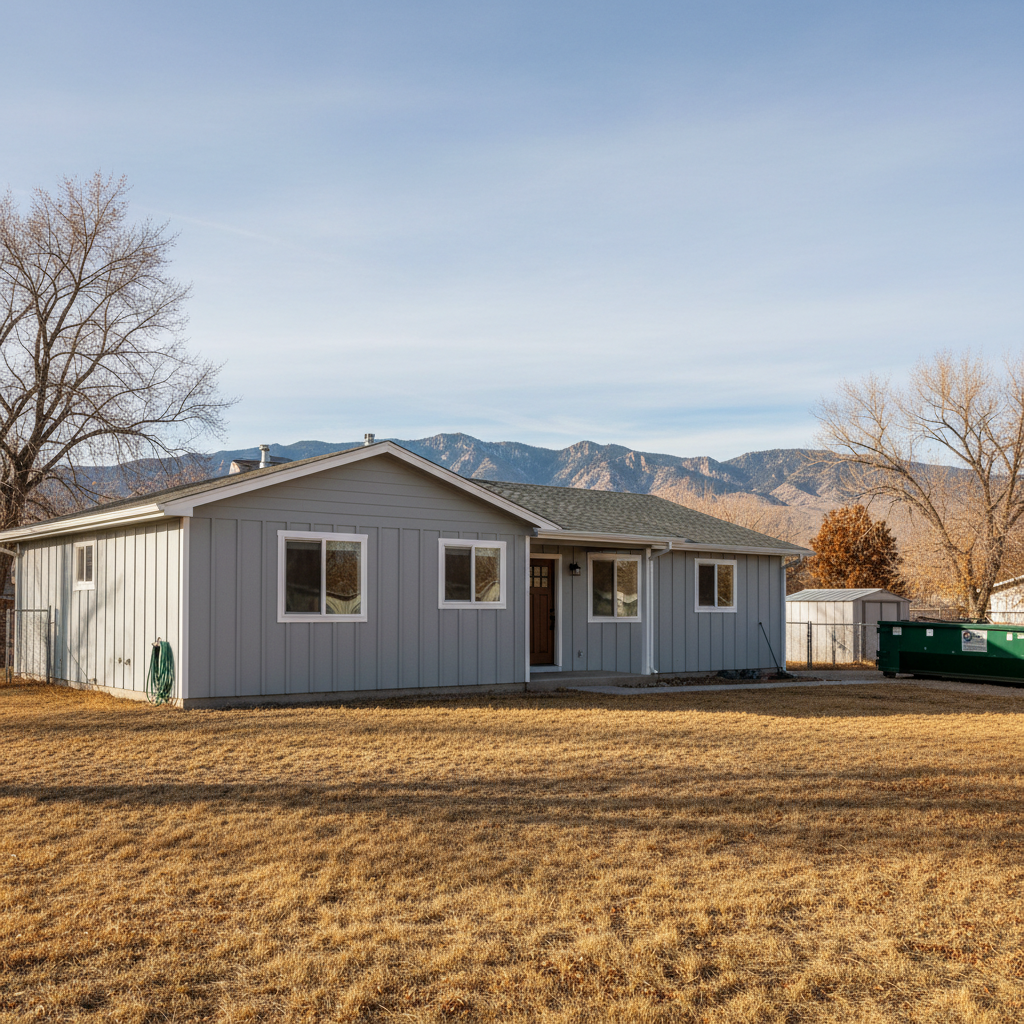
When should you really check your home's siding here in West Jordan? It's not just a once-a-year thing if you want to stay ahead of trouble. Our weather in Utah, let's be honest, can be brutal. We swing from scorching summers to freezing winters, often with plenty of wind and hail thrown in for good measure. That kind of constant beating really wears down your home's exterior. If you're not paying attention, a small problem can quickly snowball into a huge headache – and an expensive repair bill.
Why West Jordan's Climate Demands Smart Siding Checks
You know how it goes around here. One day it's 100 degrees, the next there's a surprise hailstorm, and then winter hits with those deep freezes and thaws. This constant expansion and contraction, plus the impact from all those weather events, really puts your siding through its paces. I've seen everything: sun-baked vinyl turning brittle, moisture sneaking behind fiber cement because a caulk line gave out after a harsh winter. Especially in older neighborhoods, like those around 5600 West, where homes might still have their original siding after decades of this weather, regular, well-timed inspections aren't just a good idea, they're critical.
You can't just pick a random Saturday in spring and figure you're good. You really need to think about what the seasons are doing to your house.
The Best Times for Your Siding Inspection
I always tell folks there are two prime times for a good, thorough siding inspection. Then there are a few other moments you should definitely keep an eye out.
- Late Spring (April/May): This is your main check-up. Winter has finally done its worst, the snow's melted, and everything's drying out. This is when you'll spot any damage from ice dams, freeze-thaw cycles, or winter storms. Look for cracked panels, loose pieces, peeling paint, and any signs that water might be getting in. It's also a smart time to check your gutters and downspouts, making sure they're actually directing water away from your siding like they should.
- Early Fall (September/October): This is your pre-winter prep. You want to make sure your siding is buttoned up tight before the cold and snow hit. Check for any gaps, caulk that's failing, or small cracks that could let moisture in and freeze, causing much bigger problems. If you've got wood siding, this is a good time to check for any rot or areas that need sealing before the wet season arrives.
Beyond these two big checks, you should also do a quick visual scan after any major weather event. A big windstorm, heavy rain, or a hailstorm? Just take a walk around your house. It only takes a few minutes to spot something obvious that could save you a lot of grief later on.
Weather Conditions That Affect Siding Work
If you do find damage and need repairs, or even a full replacement, the weather plays a huge role in when that work can actually happen. It's not just about comfort for the crew, you know; it's about the materials themselves.
- Temperature: Extreme cold makes many siding materials brittle, especially vinyl. Trying to install it when it's too cold can lead to cracking. On the flip side, extreme heat can cause some materials to expand too much, making proper installation tricky. We really need a "Goldilocks zone"—not too hot, not too cold.
- Moisture: Rain, snow, or even high humidity can be a real problem. When we're installing new siding, the underlying sheathing and framing need to be dry. Trapping moisture behind new siding is a recipe for disaster, leading to mold, rot, and structural issues. That's why you'll see us reschedule if a storm rolls through.
- Wind: High winds can make installing large panels dangerous for the crew. They can also blow around debris, which isn't safe or efficient for anyone.
So, when you call us at Valley Siding Solutions for a repair or new installation, understand that we're always monitoring the forecast. We want to do the job right, and that means waiting for the right conditions. Sometimes that means a slight delay, but it's always in your home's best interest, truly.
Protecting Your Siding Investment Year-Round
Beyond inspections, there are simple things you can do to extend the life of your siding:
- Keep it Clean: Dirt, grime, and mildew don't just look bad; they can hold moisture against your siding. A gentle wash with a hose and a soft brush once a year can make a big difference. Just be careful with high-pressure washers, especially on older or softer siding types, as they can force water behind panels or damage surfaces.
- Trim Landscaping: Make sure bushes, trees, and vines aren't growing directly against your siding. They can trap moisture, scratch surfaces, and provide pathways for pests. Keep at least a foot or two of clearance.
- Manage Water: Ensure your gutters are clean and draining properly. Extend downspouts away from your foundation. You definitely don't want water pooling near your house or splashing back onto your siding.
- Address Small Issues Promptly: Don't ignore a small crack or a loose panel. What seems minor can quickly become a much larger, more expensive problem if left unaddressed, especially with our dramatic temperature swings here.
Your home's siding is its first line of defense against our crazy West Jordan weather. Taking a little time for smart, seasonal inspections and basic maintenance can save you a ton of money and stress down the road. It's all about being proactive, not reactive, wouldn't you agree?