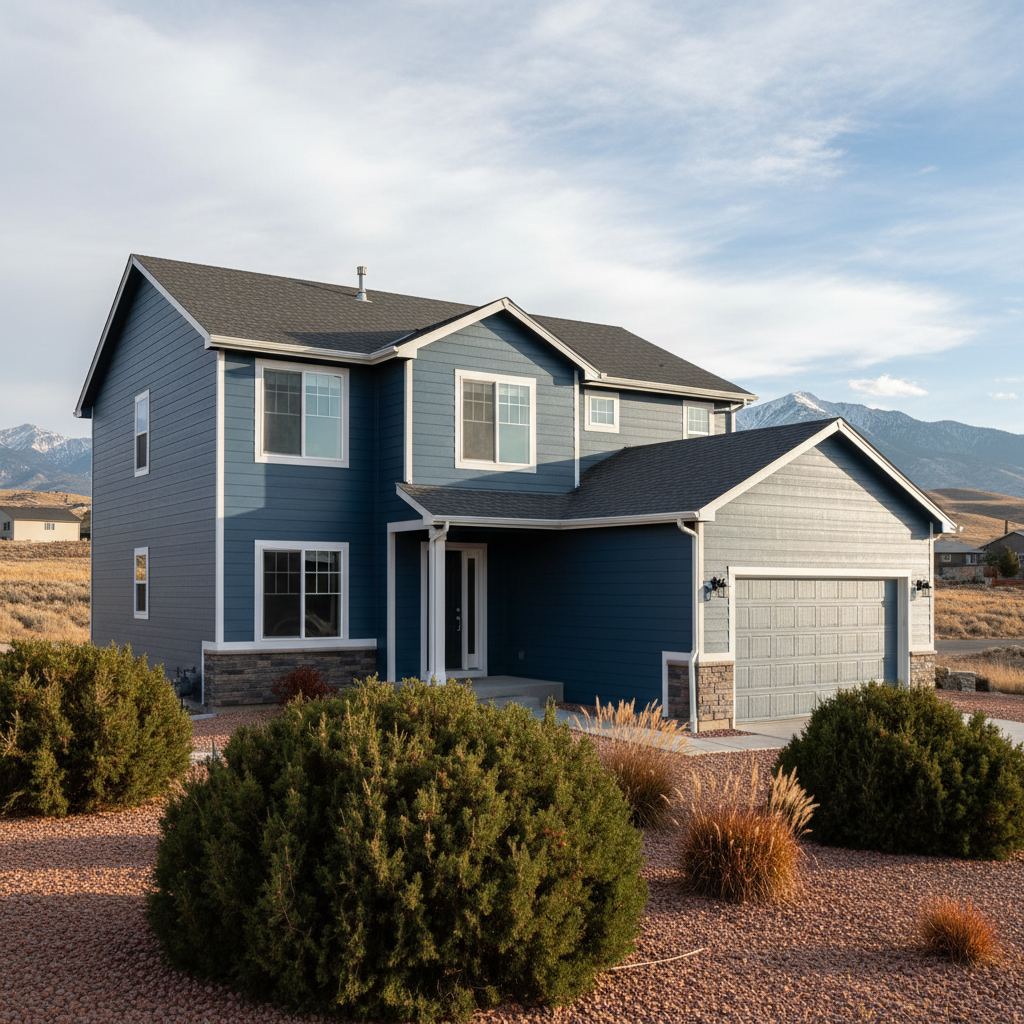
When's the best time to get work done on your James Hardie siding here in West Jordan? That's a question I hear a lot, especially as the seasons start to shift. Our weather here in the Salt Lake Valley, with its sweltering summers and cold, snowy winters, really puts building materials through their paces. Hardie siding is tough, don't get me wrong, but knowing how to work with it and care for it through the seasons can make a huge difference in how long it lasts and how good your home looks.
Understanding West Jordan's Climate and Your Siding
You know how it is around here – we get all four seasons, and sometimes it feels like they all happen in one week! Those big temperature swings, from freezing nights to warm days, especially in spring and fall, can be brutal on any exterior. James Hardie fiber cement siding is built to handle these extremes much better than, say, vinyl or wood, but it's not indestructible. The material expands and contracts a little with temperature changes, and moisture? Well, moisture is always a factor.
And what about our soil? Many homes, particularly those in places like Copper Hills or right along the Jordan River Parkway, sit on expansive clay soils. That means foundations can shift a bit. While that's not directly about siding installation, it does show the general stress our environment puts on homes. You really want materials that can handle a bit of movement and a whole lot of weather.
When to Schedule Hardie Siding Installation or Repairs
Honestly, you can install Hardie siding pretty much any time of year. But some seasons are definitely better than others for a smooth, efficient job and the best results. Here's what I've seen over the years:
- Spring (April-May): This is often perfect. Temperatures are mild – not too hot, not too cold. The ground isn't frozen, and we usually haven't hit the really intense summer heat yet. Plus, those spring rains, while sometimes a pain, help keep the dust down.
- Summer (June-August): We can certainly work in the summer, but those 90-degree-plus days can make things tough on the crew. It also means the siding gets installed when it's fully expanded, which is generally good. The main challenge is scheduling around everyone's vacations and just making sure the team stays hydrated.
- Fall (September-October): Another excellent window. Just like spring, you get those nice mild temperatures. The air is usually drier than in spring, which is a big plus, and there's less chance of an unexpected snow. It's a great time to get your home all buttoned up before winter truly hits.
- Winter (November-March): This is the trickiest time for us. While Hardie siding *can* be installed in cold weather, the manufacturer does have specific recommendations for working in freezing temperatures. We need to be extra careful with cutting, and paint adhesion can be an issue if it's too cold. Plus, snow and ice just slow everything down and can be unsafe. We'll do emergency repairs, of course, but major installations usually get pushed to spring unless there's absolutely no other option.
The biggest thing we watch for during installation is moisture. Hardie siding should be installed dry. If it's too wet, that can lead to problems down the road. That's why working on a clear, dry day, no matter the season, is always what we prefer.
Year-Round Protection for Your Investment
Once your Hardie siding is up, it's pretty low maintenance. But "low" doesn't mean "none," right? Here's what you should be doing:
- Clean it regularly: At least once a year, give your siding a good cleaning. A soft brush and a garden hose are usually all you need. You can use a mild detergent if there's stubborn dirt or mildew. Just don't go crazy with a high-pressure washer; it can damage the finish or even force water behind the siding.
- Check your caulk: Caulk is truly the unsung hero of your home's exterior. It seals joints and keeps moisture out. Check it annually, especially around windows, doors, and trim. If you spot cracks or gaps, get them sealed up fast. This is crucial for preventing water from getting in, which can cause much bigger problems.
- Inspect for damage: After a big storm, or just as part of your yearly routine, walk around your house. Look for any dings, cracks, or loose pieces. Hardie siding is tough, but hail or falling branches can still cause damage. Catching small issues early is always cheaper than waiting for them to become big ones.
- Maintain your landscaping: Keep bushes and trees trimmed back from your siding. This not only prevents moisture from getting trapped against the house, but it also lowers the risk of pests making a home in your walls. You want at least 6 inches of clear space between the ground and the bottom edge of your siding, too.
- Repaint when needed: Hardie siding holds paint really well, often for 10-15 years or even longer, depending on the paint quality and how much sun it gets. When it's time to repaint, make sure you're using a high-quality exterior acrylic latex paint. If you're not sure, give us a call at Valley Siding Solutions; we can give you some recommendations or even help with the job.
Taking a little time each year to inspect and maintain your James Hardie siding will ensure it keeps protecting your West Jordan home and looking fantastic for decades. It's a smart investment, and a little care goes a long way.