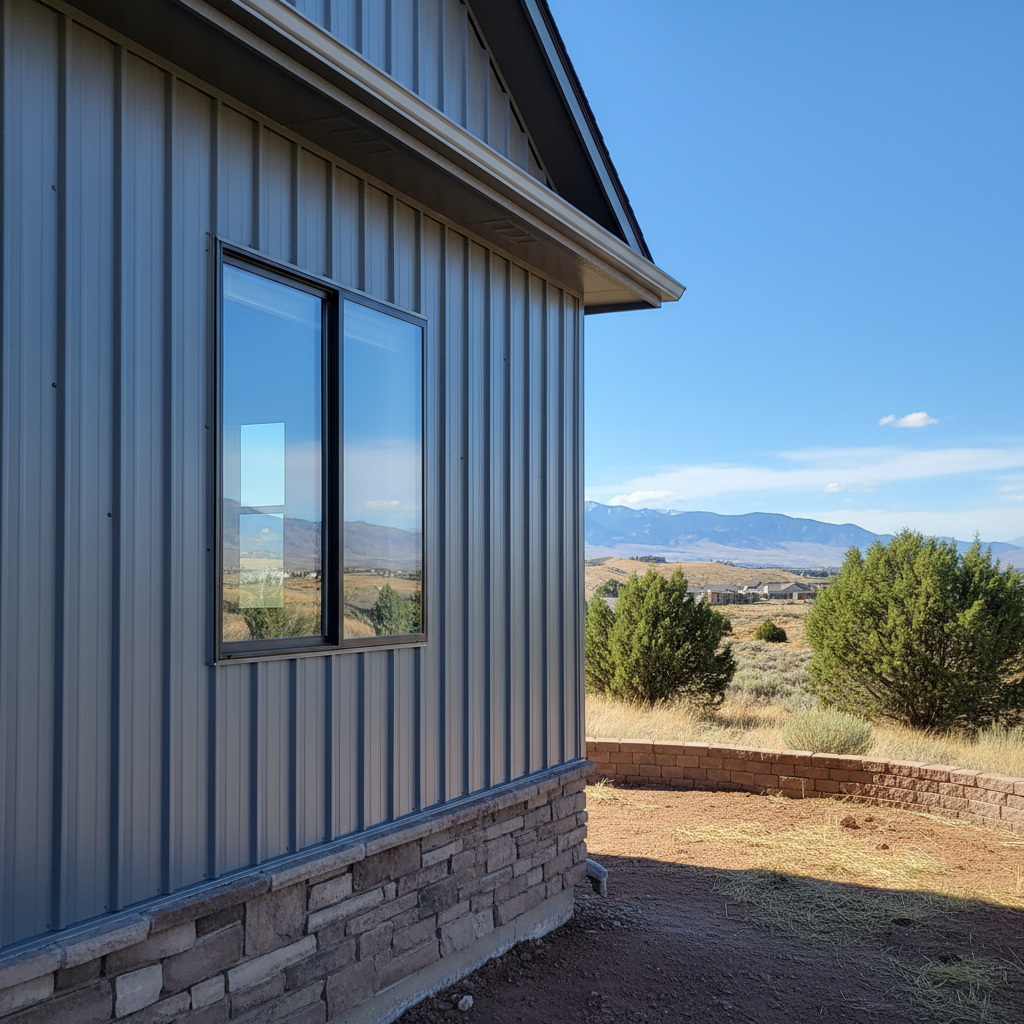
You've got metal siding on your home, right? That's a smart choice, especially with our crazy Utah weather. It's tough, looks sharp, and honestly, it's pretty low-maintenance compared to some other options out there. But 'low-maintenance' doesn't mean 'no-maintenance.' If you want that siding to last as long as it should – and believe me, it can last a very, very long time – you've got to give it a little attention. I've seen plenty of homes around West Jordan, from the newer builds near Mountain View Corridor to the older places closer to Redwood Road, and the ones that really shine are the ones where folks take care of their exterior.
Extending Your Metal Siding's Lifespan
The biggest thing you can do to make your metal siding last is pretty simple: keep it clean and keep an eye on it. Our climate here in Utah, with its hot, dry summers and snowy winters, can be tough on any exterior. Dust, dirt, and even salt from winter roads can pile up. That stuff, over time, can dull the finish and even mess with the protective coating if you just let it sit there. A good wash once a year, maybe twice if you're in a particularly dusty area, goes a long way. Think of it like washing your car – you wouldn't let that go for years without a scrub, would you?
Another tip? Watch out for your landscaping. Trees and shrubs that are too close to your house can scratch the siding, trap moisture, and even provide pathways for pests. Keep them trimmed back a foot or two from the wall. You want good airflow around your home, especially after those summer thunderstorms or spring snow melts. Good drainage around your foundation helps too, stopping water from splashing up and carrying dirt onto the lower panels.
What Regular Maintenance Looks Like
So, what exactly should you be doing? It's not rocket science, I promise. Most of it you can handle yourself on a Saturday afternoon.
- Annual Cleaning: Grab a soft brush, a garden hose, and some mild detergent. Don't use anything abrasive or a high-pressure washer – those can damage the finish. Just a gentle scrub from the bottom up, then rinse thoroughly from the top down. This gets rid of dirt, pollen, and any mildew that might be trying to set up shop. Pay extra attention to the north-facing sides of your house, as they tend to stay damp longer and can get a bit greener.
- Gutter Check: While you're up there, take a look at your gutters. Clogged gutters can overflow, sending water cascading down your siding and potentially causing streaks or even getting behind panels. Clear out leaves and debris, and make sure they're draining properly.
- Sealant Inspection: Check around windows, doors, and any spots where utilities go into the house. The caulk or sealant around these areas can dry out and crack over time, especially with our temperature swings. If you spot cracks, scrape out the old stuff and apply a fresh bead of good quality exterior sealant. This is crucial for keeping water out.
- Fastener Check: Give your siding panels a quick visual check. Are they all sitting tight? Are any fasteners loose or popping out? It's rare with quality metal siding, but it can happen, especially after strong winds.
Warning Signs of Problems
Your siding usually gives you clues when something's not right. Don't ignore these signals:
- Fading or Chalking: If your siding starts to look dull, powdery, or noticeably faded in certain spots, that's a sign the finish is degrading. It might not be an immediate emergency, but it means the protective coating is wearing down.
- Rust Spots: This is a big one. While most modern metal siding is designed to resist rust, scratches or prolonged exposure to certain chemicals can compromise the finish. If you see rust, address it quickly before it spreads.
- Loose or Damaged Panels: Obvious, right? If a panel is flapping in the wind, dented from a rogue baseball, or has a significant scratch that's gone through the paint, it needs attention.
- Water Stains or Streaks: These usually indicate a problem with your gutters, flashing, or a leak somewhere higher up on the wall. Follow the stain upwards to find the source.
- Bubbling or Peeling Paint: This is less common with factory-finished metal siding, but if you see it, it means moisture is getting underneath the finish, or there was a defect in the application.
When to Call a Professional
Look, a lot of this stuff you can do yourself. But there are times when it's just smarter, and safer, to call in the pros. If you see any of the more serious warning signs – significant rust, widespread damage, or persistent water intrusion – don't hesitate. Repairing or replacing panels, especially on higher stories, can be tricky and dangerous without the right equipment and experience.
If you're not comfortable on a ladder, or you're unsure about the source of a leak, that's definitely a time to call us. We've got the tools and the know-how to diagnose and fix these issues properly, making sure your repair blends with your existing siding. Here at Valley Siding Solutions, we've seen it all, and we're always happy to give you an honest assessment. Taking care of your metal siding isn't just about curb appeal; it's about protecting your home's structure and your investment for years to come.